How to Identify Lead Water Service Pipes in Older Chicagoland Homes
Older homes throughout Chicagoland may still have original lead water service piping. While lead pipes are not always easy for homeowners to recognize, certain visible characteristics can provide a strong indication of the material.
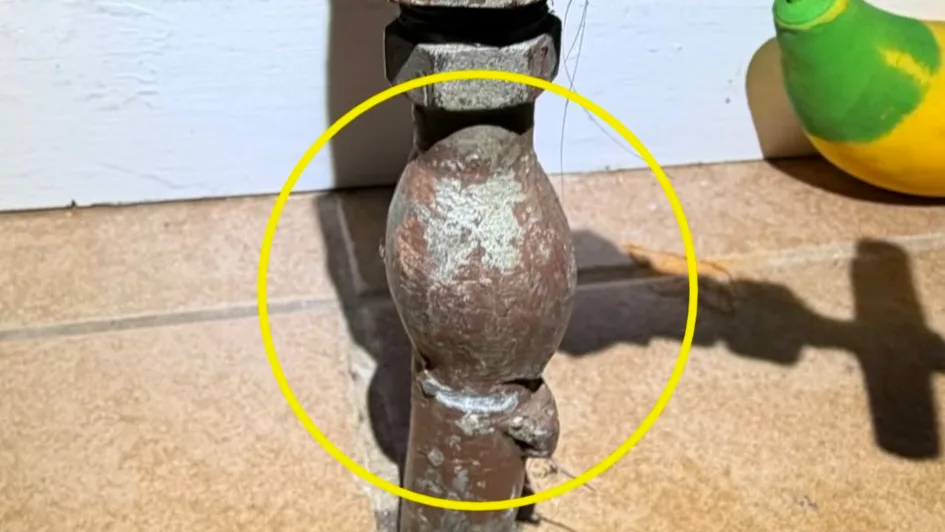
During a recent home inspection, I observed the distinctive rounded joint shown in the photo above. This enlarged, bulb-shaped connection is known as a wiped lead joint and is one of the most recognizable signs of an older lead water service pipe.
What Is a Lead Water Service Pipe?
The water service pipe carries drinking water from the municipal water main into the home. Depending on the age and location of the property, the service line may be made from copper, galvanized steel, plastic, or lead.
Lead was commonly used for water service piping in many older communities because it was flexible and easy to shape. As a result, some older homes in Chicago, Lake County, Cook County, and surrounding communities may still have lead service lines in place.
How Can You Recognize a Lead Pipe?
Visible lead water service piping may have several recognizable characteristics:
- - A dull gray or dark metallic appearance
- - A pipe surface that may scratch easily and reveal a shiny silver color
- - Smooth bends rather than rigid elbows
- - No threaded fittings directly on the lead piping
- - A rounded or bulb-shaped wiped joint near a valve or connection
The rounded wiped joint shown in the photo above is a strong visual indicator of lead piping. However, not every portion of a service line is visible. A home may also have more than one type of piping if part of the service line was replaced at a different time.
Why Are Lead Water Service Lines a Concern?
Lead can enter drinking water when lead-containing plumbing materials corrode. The amount of lead that may enter the water can vary depending on the condition of the piping, water chemistry, temperature, and how long the water remains inside the plumbing system.
Young children and pregnant women are especially vulnerable to the effects of lead exposure. Because lead cannot be seen, smelled, or tasted in drinking water, laboratory water testing is needed to determine whether lead is present.
Does a Home Inspection Test the Water for Lead?
A standard home inspection is a visual evaluation of readily accessible components. When visible piping has characteristics consistent with lead, I document the material and its location in the inspection report.
A home inspection does not include laboratory testing of the drinking water and cannot determine the condition of underground or concealed portions of the service line. Homebuyers and homeowners should contact the local water department and a qualified plumbing contractor for additional information when a lead service line is identified.
What Should Homeowners Do Next?
If a lead water service line is present or suspected, consider the following steps:
- Contact your local municipality or water utility to ask about available service line records.- - Ask whether a lead service line replacement program is available.
- - Have your drinking water tested by a certified laboratory.
- - Consult a licensed plumbing contractor regarding replacement options.
- - Follow recommendations provided by your local health department or water utility.
- Replacement responsibility and available assistance programs vary by municipality, so homeowners should obtain information specific to their property.
Clear Information Without the Scare Tactics
Finding a lead service line does not automatically mean a buyer should walk away from the home. It is simply an important condition that should be understood and considered when making an informed decision.
My goal is never to create unnecessary alarm. I believe in providing honest, straightforward information that helps my clients understand the homes they are buying, so they can move forward with confidence.
Home Inspections Throughout Chicagoland
Highview Home Inspections proudly serves Lake County, Cook County, McHenry County, and surrounding Chicagoland communities with comprehensive home inspections, sewer scope inspections, chimney inspections, radon testing, mold testing, and lead paint screening.
If you're purchasing an older home, a professional home inspection can help identify aging plumbing materials and other important conditions before closing.